
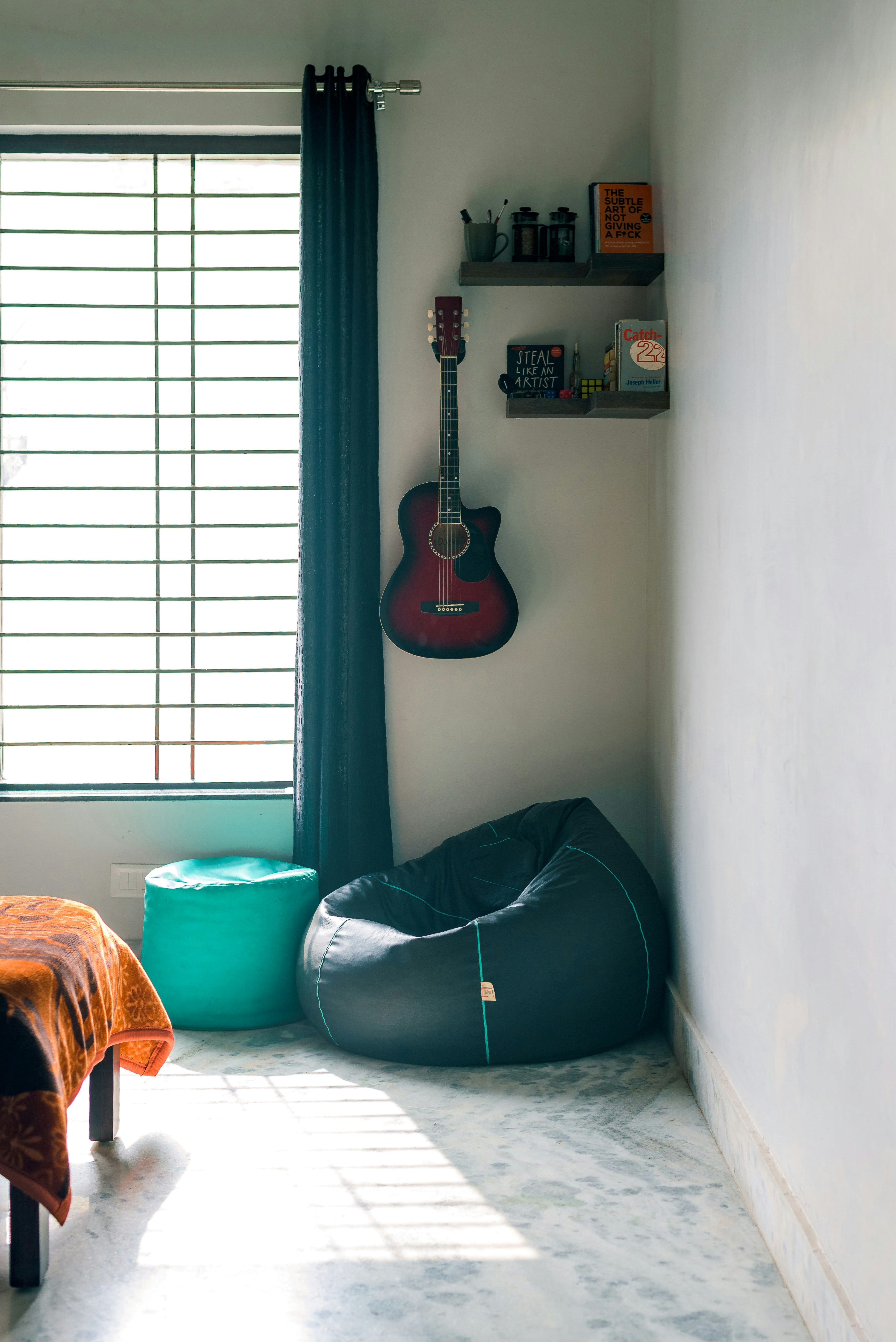
June has a particular feeling when you have a child who has just graduated.
It doesn’t matter whether they finished high school or college, whether they’re heading somewhere new in August, or whether they already have a moving date circled on the calendar. Something in the house has already changed. Sometimes you’re not aware that you’re noticing, but you might be aware that you’re more emotional. You find yourself noticing their place at the table a little more. You stand in the doorway of their bedroom for a moment longer than usual. You’re not doing anything. You’re just noticing. You may feel a wave of emotions come over you, or you may not notice anything different at all.
I think that noticing is important. It’s worth paying attention to.
There are a few versions of this moment, and each feels a little different.
If your child just graduated from high school and is heading to college in August, this is technically still a full summer together. But everyone in the house knows, even if no one is saying it out loud, that this is the last summer it will be like this. Their room is still their room. Their spot on the couch is still their spot. But there’s an awareness beneath the ordinary days, a silent countdown that makes even the smallest routines feel worth holding on to. And at the same time, the energy often pivots toward preparation. New bed linens. Twin extra-long sheets for the dorm. Conversations about roommates and move-in day. The emotion gets channeled into logistics, which is actually one of the ways we cope.
If your child just graduated from college and has come home for the interim, the feeling is different again. You know this is temporary. They know it too. They’re in between, waiting for the apartment to be ready, the job to start, or the new city to begin. The room that held their whole childhood is now holding a grown adult who is just passing through on their way to something else. And you may find yourself looking at that room and thinking, they’ll never come back and be the same person who left it. That’s not a sad thought, exactly. But it’s not a simple one either.
Because here’s what’s also true: you are in transition too. Your role is changing in ways that you haven’t fully explored yet. The version of motherhood you’ve been living, the one organized around their daily presence, their schedules, their needs inside your home, that version is changing. You don’t know yet what comes next for you either. And that uncertainty, sitting right alongside your pride in who they’re becoming, is a lot to hold sometimes.
And then there’s the other version, the one people talk about less. The child who comes home after graduation because the job didn’t come through, or the internship fell apart, or the plan just needs more time. Suddenly, a household that had recalibrated to one or two people is three again. Meal times are different. Schedules are different. Someone is eating breakfast at noon and dinner at nine, and at first it’s funny, and then it’s just the reality of a shared space that needs some real conversations. Because they’re not a guest anymore, and they’re not the teenager who used to live here either. They’re an adult who lived on their own terms somewhere else, and now everyone is figuring out what the rules are in this new version of living together. And if they’ve been away at school or living independently, they are coming home with everything they own. The room that once held a childhood now holds a whole life packed into boxes, and that requires a different kind of conversation, too, about space, about boundaries, about what it means to share a home as adults.
No matter which of these you’re living right now, I want to say something about the room.
This is not the time to repaint it.
I don’t mean that practically, though practically it may also be true. I mean it as a principle. When everyone is still moving through the transition, when the emotions haven’t found their way yet, and the new shape of things hasn’t fully revealed itself, the physical space deserves to be left alone for a while. Let it hold what it holds. Let it be the room it’s been.
Here’s something worth remembering too. That room matters to them as much as it does to you, maybe more than you realize. In those first months of living independently, when things get hard or lonely or uncertain, knowing their room is still there is a comfort that’s hard to explain but very real. It’s not about being stuck. It’s about having somewhere to land if they need to. The room being there, unchanged, is its own kind of love.
The transformation of that space will come. And when it does, it will feel right and even freeing, whether it becomes a guest room, a home office, a creative space, or something you haven’t imagined yet. But rushing it, changing it before you’ve moved through the feeling, tends to short-circuit something that needs to be felt first.
I also want to say something to the parents whose rooms are empty for reasons not on this list. There are mothers and fathers whose children didn’t come home for harder reasons, reasons that go beyond graduation, a new city, or a plan that needed more time. If that is you, you already know that the room holds something different. Something heavier. The principle is still the same: it stays as it is until you are ready, and there is no timeline for that. What you need to move through is yours alone to navigate, and it deserves more space and more support than a single paragraph can offer. I just didn’t want to write about this room without acknowledging that you exist.
For everyone else, acknowledging the emotion and letting the transition move through at its own pace doesn’t mean you’re staying stuck. That’s just you being human. And it’s the beginning of the path toward whatever comes next, for them and for you.
That transformation is coming. There’s no rush to get there before you’re ready.

